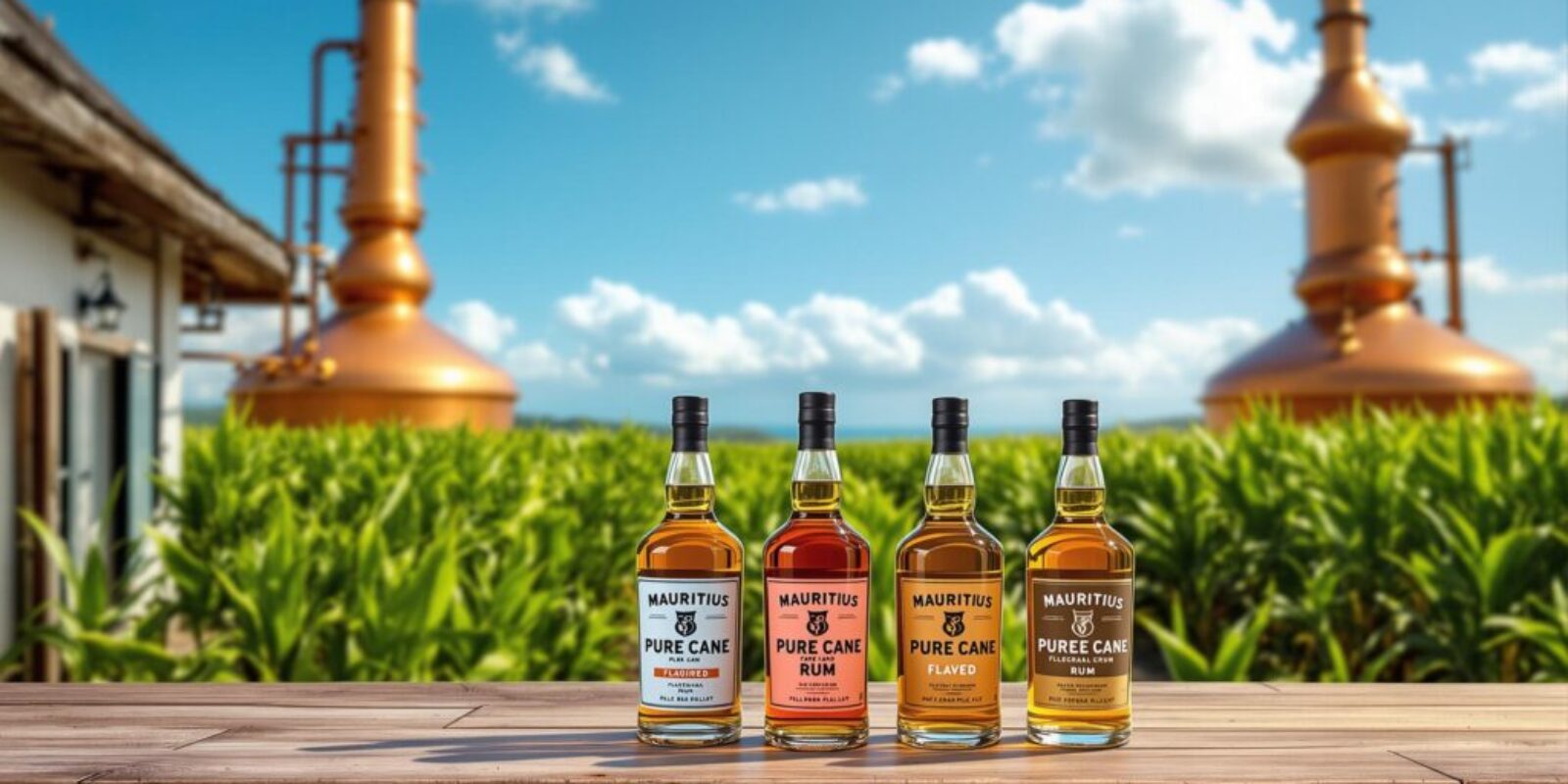
Sugar cane has shaped Mauritius for three centuries, so it is no surprise that the island makes rum. What is surprising is how recently it became good: for most of the 20th century, rum was a cheap local drink. Since the 2000s, a handful of distilleries have turned Mauritian rum into something worth seeking out, and several of them welcome visitors.
A short history
The Dutch brought sugar cane to the island in the 17th century, and the French and British turned Mauritius into a sugar colony. Rum was distilled from molasses, the by-product of sugar making, for local consumption. For a long time, cane had to go to the sugar mills, so distilling fresh cane juice was not allowed. When the law changed in the 2000s, new distilleries appeared and older ones started making higher-quality rums for export.
Types of Mauritian rum
Cane juice rum
Made by fermenting and distilling freshly pressed cane juice, like the rhum agricole of the French Caribbean. It is grassy, fresh and complex. Rhumerie de Chamarel makes its rums this way, from cane grown on its own estate.
Molasses rum
Made from molasses. Rounder and sweeter, and the basis of most dark and aged rums on the island.
Spiced and flavoured rums
Rum infused with vanilla, coffee, citrus, coconut or spices. Most distilleries make liqueurs and flavoured rums, which make easy souvenirs.
Rhum arrangé
Rum steeped with fruit, spices or vanilla for weeks or months. Mauritians make it at home, and restaurants often offer a house version after dinner.
Distilleries and brands
Rhumerie de Chamarel
Founded in 2008 in the hills of the south-west, near the Seven Coloured Earth. It grows its own cane and makes pure cane juice rums, from white rums to long-aged expressions. The visit, tasting, shop and restaurant make a good half-day with the rest of Chamarel. rhumeriedechamarel.com
Saint Aubin
An old sugar estate in the south, near Rivière des Anguilles, which has been making rum since the early 2000s. The visit combines the distillery, the colonial house, a vanilla plantation and a restaurant. groupe-saintaubin.com
New Grove
The premium range of Grays, a long-established Mauritian drinks company. New Grove rums have won international awards, and the brand opened a new visitor experience in 2026. newgrove.mu
Labourdonnais
The Domaine de Labourdonnais in the north, best known for its restored 19th-century château and orchards, also produces rum and fruit liqueurs, which you can taste after visiting the house and gardens.
Other names to look for
Penny Blue and Pink Pigeon (from the Medine distillery) and Lazy Dodo are mostly found in shops and bars rather than on visits.
Tasting tips
- Combine a distillery with nearby sights: Chamarel with the Seven Coloured Earth and the waterfall, Saint Aubin with the south coast, Labourdonnais with the north and Pamplemousses.
- If you are driving, have someone else do the tasting, or ask for a small sample to take away.
- L’Aventure du Sucre at Beau Plan also has a rum and sugar tasting at the end of its museum visit.
- Try ti’ punch: cane juice rum with lime and cane sugar, the classic way to drink it.
Buying rum
- At the distillery: the widest range, including limited editions not sold elsewhere.
- Supermarkets: the cheapest place for standard bottles.
- Airport: the duty-free shops at the airport stock the main brands. You can also buy tax free in town and collect at the airport.
Bottles bought before security cannot go in your hand luggage, so pack them in your hold bag. Check your customs allowance at home: travellers into the EU can bring 1 litre of spirits duty free, travellers into the UK 4 litres. See our guide to souvenirs from Mauritius.